
Step Off the Train and Onto the Trail
Timetables to Trailheads: Planning That Works
Reading Schedules Like a Pro
Station-to-Path Transitions
Carry Less, Enjoy More: Smart Urban-to-Wild Gear

Safety, Navigation, and Confidence
Offline Maps and Redundancy
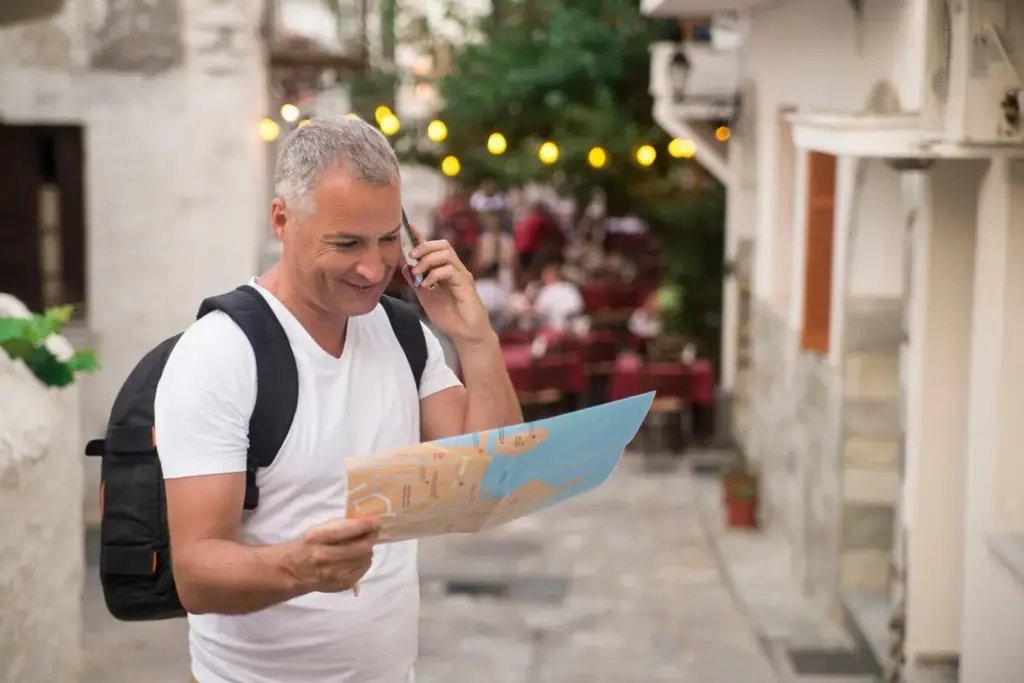
Signal fades in ravines and on quiet ridges, so pre-load maps at multiple zoom levels and carry a simplified paper printout in a zip bag. Mark water sources, bailout junctions, and station exits. Keep your battery happy by dimming screens, enabling airplane mode, and tucking your phone into an inner pocket when temperatures dip. Redundancy is less about fear and more about peace of mind.
Urban Edges and Trail Etiquette
Many rail-accessible routes cross neighborhoods, dog-walking paths, and cycling corridors. Smile, yield predictably, and keep headphones low near crossings. Stay on marked paths to protect plant life, and avoid lingering beside private gardens or driveways. A quick thank-you to locals who help with directions brightens everyone’s day. Remember, today’s shortcut can become tomorrow’s erosion scar, so let your footsteps be both confident and considerate.



Routes We Love: From Rails to Ridgelines

Light Footprints: Sustainability on the Move
Why Trains Matter for the Climate
Per passenger, electric rail can be among the lowest-emission ways to travel medium distances, especially when paired with renewable-heavy grids. By skipping a car, you also cut parking pressure near trailheads and reduce traffic on scenic roads. Those gains magnify when groups ride together. One seat, one ticket, and a day outdoors can feel like a small but honest investment in healthier weekends for everyone.
Packing Out, Paying Forward
Carry a small bag for litter you find, and consider supporting trail associations through donations or a volunteer day. These organizations maintain blazes, build water bars, and coordinate habitat protection with land managers. Your contribution, whether time or funds, turns gratitude into action. On the ride back, jot notes about muddy sections or damaged signage and send a quick report to help crews prioritize repairs.
Respecting Communities Along the Line
Station neighborhoods are homes first and gateways second. Keep voices low early and late, cross streets mindfully, and patronize local cafés rather than chain outlets when possible. Ask before photographing private gardens, and avoid blocking doorways with backpacks. When hikers act as thoughtful guests, the welcome grows warmer, and routes remain pleasantly accessible for future weekends when trains again meet tree-lined horizons.

Your Stories Power the Map
Send a quick recap after your outing: station used, trail conditions, water sources, and the bakery that saved the day. Photos of wayfinding signs help future readers breeze through tricky junctions. We credit contributors and compile updates into living route guides. Your voice turns practical facts into human texture, sparking confidence for someone else’s first step from platform to path.
Ask Anything, Anytime
Unsure about a connection, fitness level, or gear choice for wet platforms and dry summits? Drop a comment or message, and the community will reply with firsthand experiences and gentle encouragement. We welcome absolute beginners and seasoned peak-baggers alike. Curiosity keeps us safe, prepared, and excited, and every good answer becomes part of a shared library that grows more helpful each weekend.
Join the Next Weekender
Sign up for our newsletter to receive a curated Saturday or Sunday plan: departure options, trail variants, café suggestions, and last-train reminders in one tidy itinerary. We rotate regions to keep things fresh and include weather notes and accessible alternatives. When plans change, we share backups. Your inbox becomes a launchpad that turns free mornings into meaningful miles without the car keys.